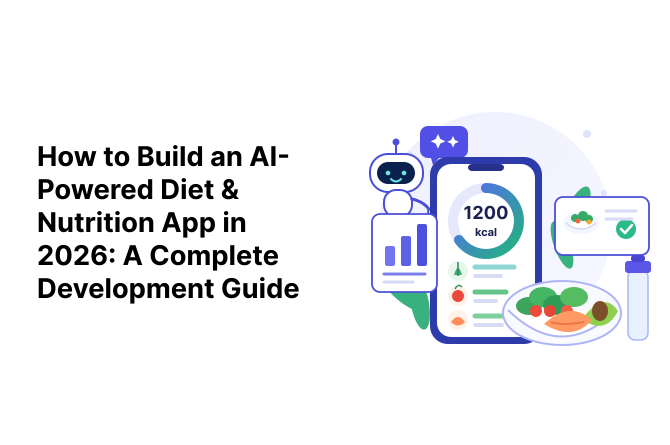
How to Build an AI-Powered Diet & Nutrition App in 2026: A Complete Development Guide
Discover how to build an AI-powered diet and nutrition app in 2026, from essential features and AI technologies to development steps and costs.

Discover how to build an AI-powered diet and nutrition app in 2026, from essential features and AI technologies to development steps and costs.
Explore AI symptom checker mobile app development, including how these apps work, essential features, development costs, technology, and security considerations.
Explore the key features, development costs, technology, and benefits of building a health insurance claim processing mobile app for faster and more efficient claims management.
Missed appointments are a silent problem in healthcare. A patient books a slot, the clinic blocks time and staff for it, then the patient doesn’t show up.

Every day, doctors make critical decisions without the full picture. A patient sees a specialist who can’t access their GP’s notes. A hospital’s billing system can’t talk to its own EMR.
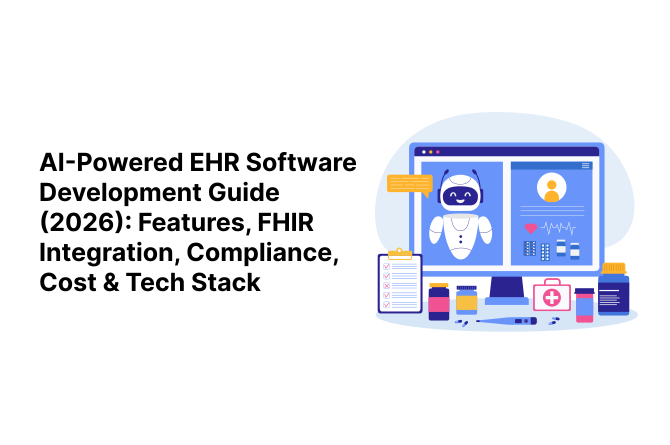
Ask any doctor what slows them down, and you will hear the same answer: paperwork. Physicians in the US spend nearly 2 hours on administrative tasks for every 1 hour of actual patient care.
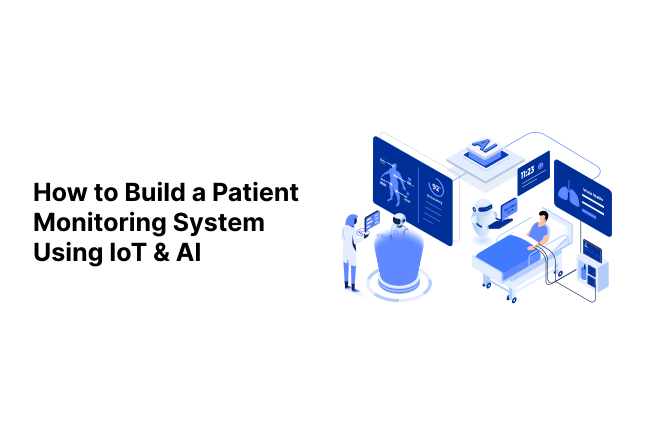
Healthcare is moving beyond hospital walls with the rise of the patient monitoring system using IoT and AI.
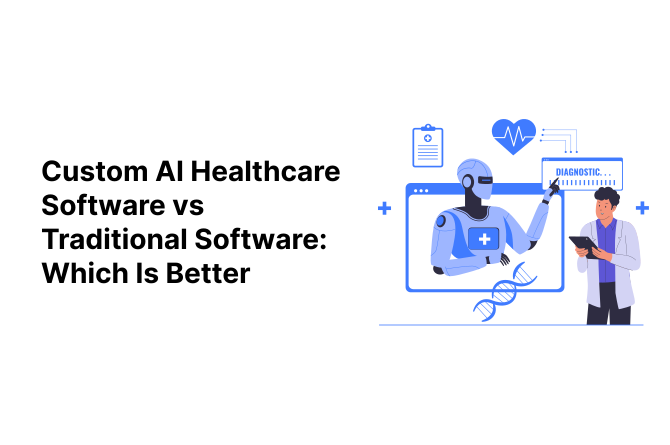
Healthcare businesses are no longer relying only on basic digital systems to manage operations.

Over the years, I’ve worked with many healthcare founders who want to build smarter digital health products.

Healthcare today runs on multiple digital systems, from patient records and lab reports to billing and telehealth platforms.
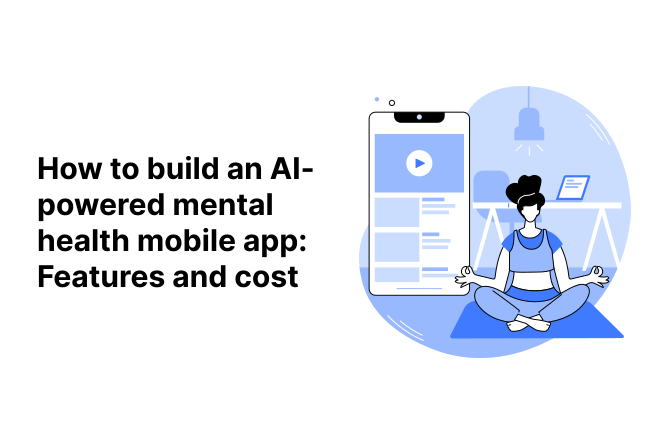
The cost to build an AI-powered mental health mobile app in 2026 starts at roughly $40,000 for a basic version and can easily cross $200,000 for a full-scale solution packed with advanced AI features like emotion detection, predictive analytics, and therapy chatbots.

Swipe. Scan. Deliver. That’s the new normal for getting medicines in 2026. Behind this smooth user experience lies a robust mobile app, costing anywhere between $10,000 and $85,000+, depending on how smart, secure, and scalable you want it to be.

Imagine a world where your phone doesn’t just track your steps, it keeps an eye on your heart, reminds you to take your meds, predicts potential health risks, and even chats with you about how you are feeling.