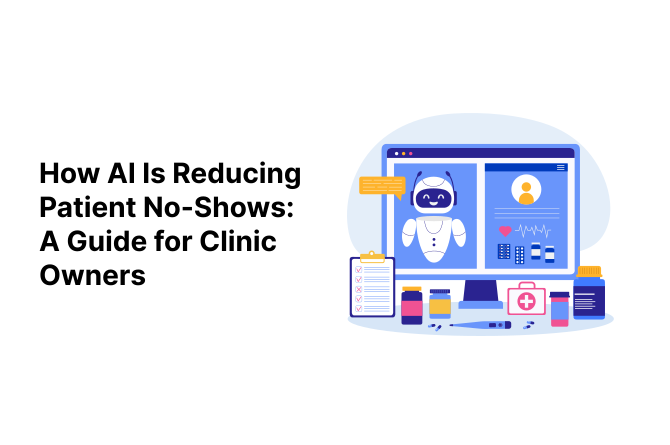
How AI Is Reducing Patient No-Shows: A Guide for Clinic Owners
Missed appointments are a silent problem in healthcare. A patient books a slot, the clinic blocks time and staff for it, then the patient doesn’t show up.

Missed appointments are a silent problem in healthcare. A patient books a slot, the clinic blocks time and staff for it, then the patient doesn’t show up.
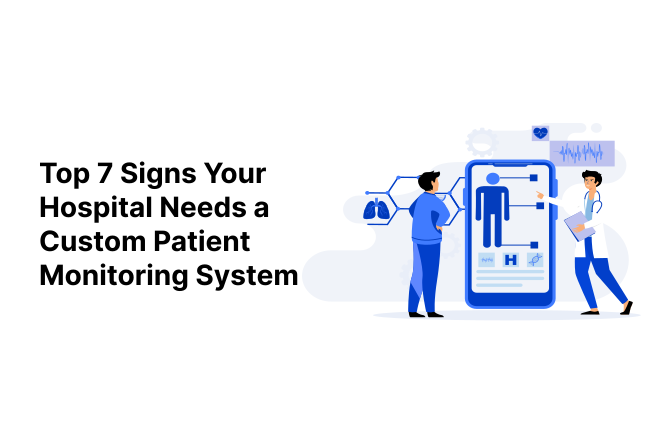
A custom patient monitoring system fixes the exact problems generic software can’t: disconnected data, alert fatigue, and poor EHR integration.
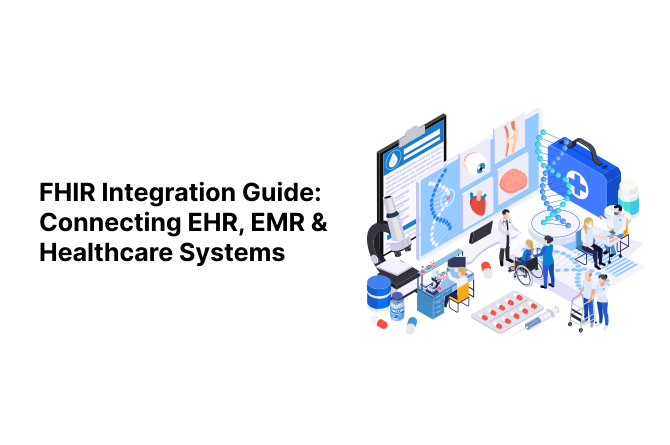
Every day, doctors make critical decisions without the full picture. A patient sees a specialist who can’t access their GP’s notes. A hospital’s billing system can’t talk to its own EMR.
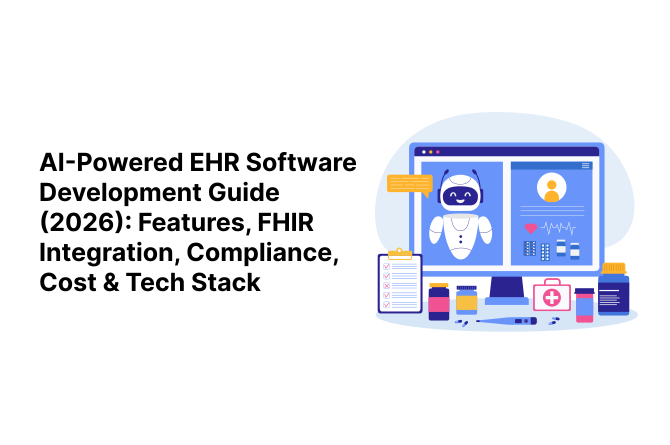
Ask any doctor what slows them down, and you will hear the same answer: paperwork. Physicians in the US spend nearly 2 hours on administrative tasks for every 1 hour of actual patient care.
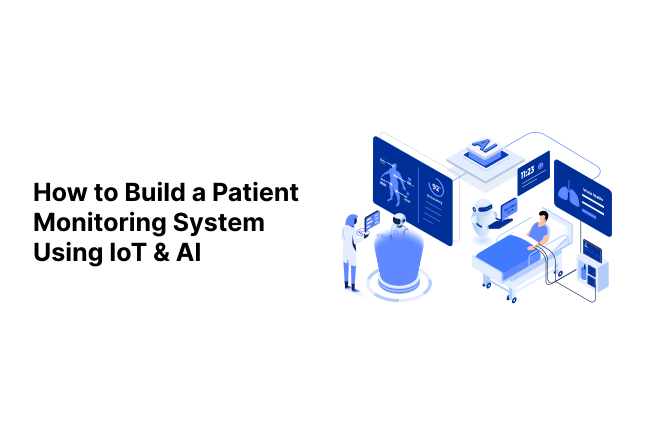
Healthcare is moving beyond hospital walls with the rise of the patient monitoring system using IoT and AI.
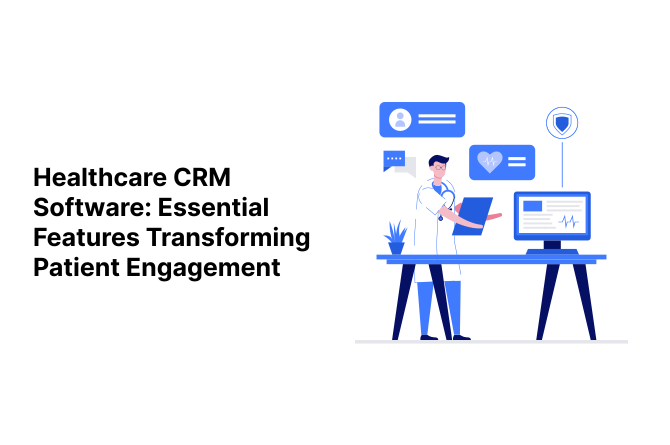
Managing patient appointments, follow-ups, billing coordination, and communication manually can slow down daily healthcare operations and affect patient experience.
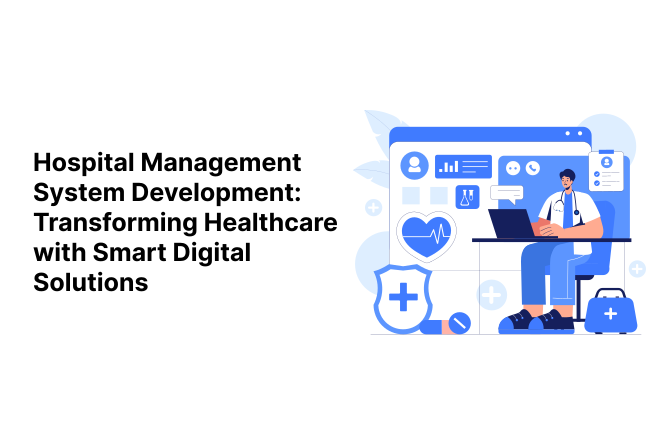
Managing hospital operations through disconnected systems often creates challenges in patient records, appointments, billing, pharmacy tracking, and internal coordination.
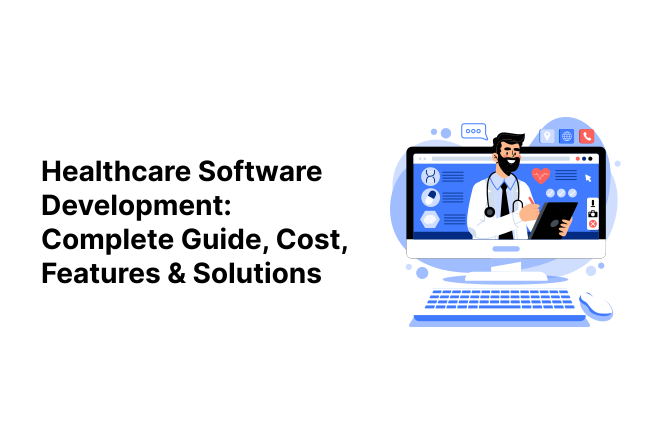
Healthcare today runs on more than doctors and hospitals; it runs on connected digital experiences, AI-driven workflows, and real-time patient data.
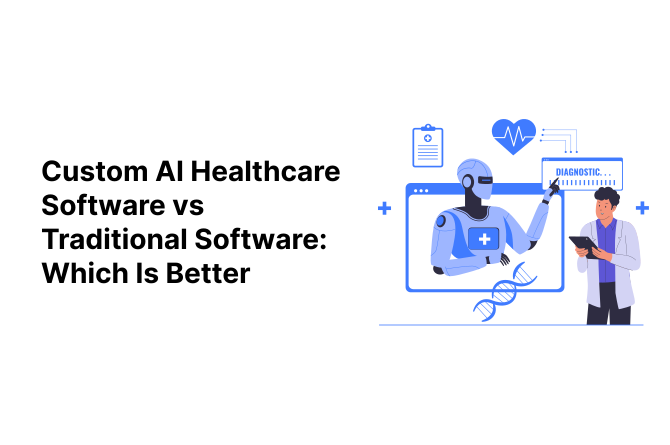
Healthcare businesses are no longer relying only on basic digital systems to manage operations.

Swipe. Scan. Deliver. That’s the new normal for getting medicines in 2026. Behind this smooth user experience lies a robust mobile app, costing anywhere between $10,000 and $85,000+, depending on how smart, secure, and scalable you want it to be.
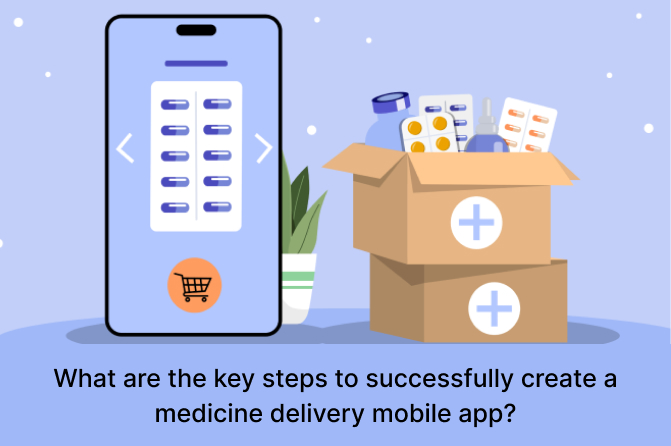
It’s 2024, and the pharmaceutical sector is rapidly expanding and evolving as customers’ purchasing patterns shift.
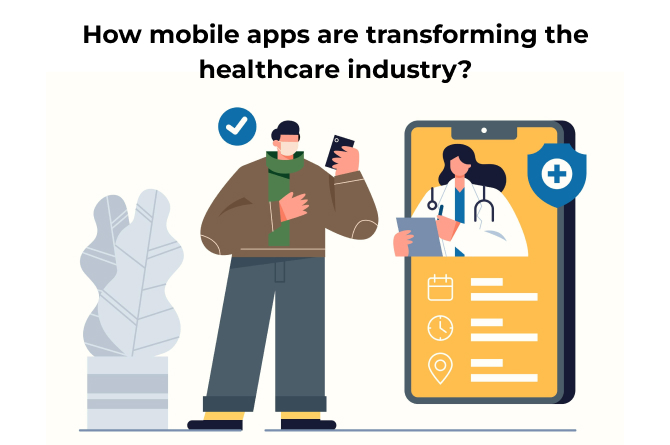
Mobile applications are important in our lives because they provide users with a wealth of information and serve as a useful platform for business, banking, education, sports, and other activities.