
Education is no longer confined to classrooms, textbooks, or rigid curriculums. With mobile apps, students now learn anywhere, anytime, and the real force behind this shift is Artificial Intelligence (AI).
According to Grand View Research, the global AI in education market was valued at USD 5.88 billion in 2024 and is projected to surge to USD 32.27 billion by 2030, growing at a remarkable 31.2% CAGR. Clearly, AI isn’t just improving education; it’s redefining it.
Having over 9+ years of experience in web and mobile app development, I have seen how fast technology trends shape industries. Education, in particular, is evolving rapidly with AI personalized learning mobile apps that adapt to each learner’s pace, style, and goals.
This blog will walk you through how AI is changing personalized student learning in mobile apps, from adaptive pathways and intelligent tutoring to student progress tracking with AI.
What is Personalized Student Learning?
Think of personalized learning as having a teacher who knows exactly how you like to learn, whether it’s through videos, practice tests, or interactive games, and then builds lessons just for you.
Unlike traditional classrooms where everyone follows the same textbook and pace, a personalized learning mobile app uses AI to create a unique learning path for each student. It adjusts the lessons, difficulty, and content based on how the student performs.
The beauty of this approach?
No one gets left behind. Every learner receives the right support, at the right time, in the way that works best for them.
Key Ways AI is Changing Personalized Learning in Mobile Apps
AI is transforming mobile learning apps into smart companions that don’t just teach, but also understand the learner. Instead of a one-size-fits-all approach, students now get experiences designed around their pace, strengths, and challenges.
Here’s how AI makes it possible:
1. Adaptive Learning Paths
Picture a student who struggles with fractions but excels in geometry. A traditional class moves on anyway, but an AI-driven student learning system adjusts automatically.
It gives extra practice on fractions while continuing to build on strengths in geometry. This ensures steady growth without frustration or gaps.
2. Smart Content Recommendations
Just like Netflix recommends shows you will probably enjoy, an AI recommendation engine for learning curates lessons, quizzes, and practice materials for each learner.
Instead of endless searching, students get exactly what they need next, keeping them engaged and saving valuable time.
3. AI-Powered Assessments & Instant Feedback
No more waiting for exam results, AI-powered tools provide real-time feedback, education mobile apps that highlight mistakes instantly, and explain how to fix them.
This “learn-correct-improve” loop builds confidence and makes learning faster and more effective.
4. Predictive Analytics for Progress
With student progress tracking with AI, teachers and institutions can see patterns in learning behavior.
For example, if a student regularly struggles with reading comprehension, the personalized learning mobile app can flag it early, allowing timely support before it affects overall performance.
5. Gamified Engagement Tools
Let’s be honest, students learn better when they are having fun. With AI student engagement tools, student learning mobile apps introduce leaderboards, badges, and adaptive challenges.
It transforms dull exercises into interactive experiences that feel more like games, keeping learners hooked.
6. Customized Learning Pathways
Every learner is unique. With customized learning pathways using AI, a visual learner might get more videos, while another who prefers practice tests receives more quizzes.
The learning mobile app shapes itself around the student’s learning style, making education more inclusive and effective.
If you are planning to launch your own mobile app, don’t miss our E-Learning mobile app development guide (2025): cost, features & best companies.
Core AI Technologies Behind Personalized Learning Apps
What makes an ordinary learning mobile app feel like a personal tutor?
The answer lies in the AI technologies working quietly behind the scenes. These tools don’t just deliver lessons; they listen, observe, and adapt to every student’s unique learning style.
1. Machine Learning in Education Apps
Imagine a teacher who remembers every mistake you have ever made and then uses that memory to make you better.
That’s what machine learning does.
It studies patterns in how students learn, spots weaknesses, and predicts what they need next.
If you keep missing a math problem, it won’t just mark you wrong; it will adapt, simplify, and give you more practice until you master it.
2. Natural Language Processing (NLP)
Ever wished you could talk to a mobile app like you talk to Siri or Alexa?
NLP makes that possible. It allows apps to understand natural human language, so learners can ask questions in plain words and get real answers.
Intelligent tutoring system apps powered by NLP act like a friendly mentor, always ready to explain things, whether it’s grammar, history, or science.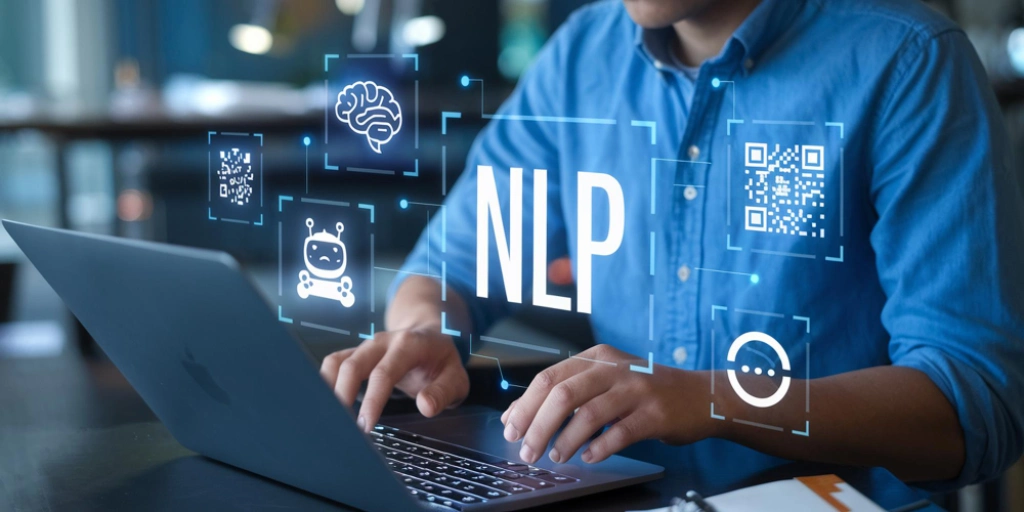
3. AI Recommendation Engine for Learning
Think of it as a personal study playlist. Just like Spotify lines up songs you will love, an AI recommendation engine curates lessons and practice materials that match your interests and learning goals.
This means less time searching for “what’s next” and more time actually learning.
4. Voice and Speech Recognition
Some students learn best by speaking and listening rather than reading.
Voice recognition allows them to practice pronunciation, read aloud, or even control the student learning mobile app without touching the screen.
For kids learning a new language or visually impaired students, this isn’t just convenient, it’s life-changing.
Put all these together, and you don’t just get another study tool; you get a mobile learning app with AI that feels almost alive.
It adjusts like a tutor, listens like a mentor, and guides like a coach, making AI personalized learning mobile apps truly the future of education.
For a deeper understanding of AI’s role, explore our blog on What is the goal of Artificial Intelligence?
Benefits of AI in Personalized Student Learning
The real impact of AI-powered education mobile apps is not just in smarter technology, but in how they transform learning into a more engaging and supportive experience.
Here are five key benefits:
1. Improves Student Engagement
With AI student engagement tools, study sessions become interactive and fun. Quizzes, rewards, and gamified challenges make students feel like they are playing while learning, which keeps motivation high.
2. Delivers Better Outcomes
Thanks to customized learning pathways with AI, no two students follow the same journey. Each learner gets a customised roadmap that matches their abilities, ensuring steady progress and stronger results.
3. Bridges Learning Gaps
Using adaptive learning mobile app features, AI can instantly detect when a student is struggling and provide extra lessons or resources in that exact area. This prevents gaps from growing into bigger problems.
4. Encourages Independent Learning
A personalized learning mobile app empowers students to learn at their own pace, whether at home, on the go, or in class. They gain confidence knowing the app will guide them step by step.
5. Supports Teachers & Institutions
With student progress tracking with AI, educators can see detailed performance reports, identify at-risk students, and step in with timely support. This makes teaching more efficient and focused.
Looking for more? Read our in-depth blog: How AI Benefits Mobile Apps in Various Industries.
Real-World Examples of AI in Education Mobile Apps
Several popular platforms have already shown how powerful AI personalized learning mobile apps can be.
Each one uses artificial intelligence in education mobile apps in its own unique way to make learning smarter and more engaging:
1. Duolingo
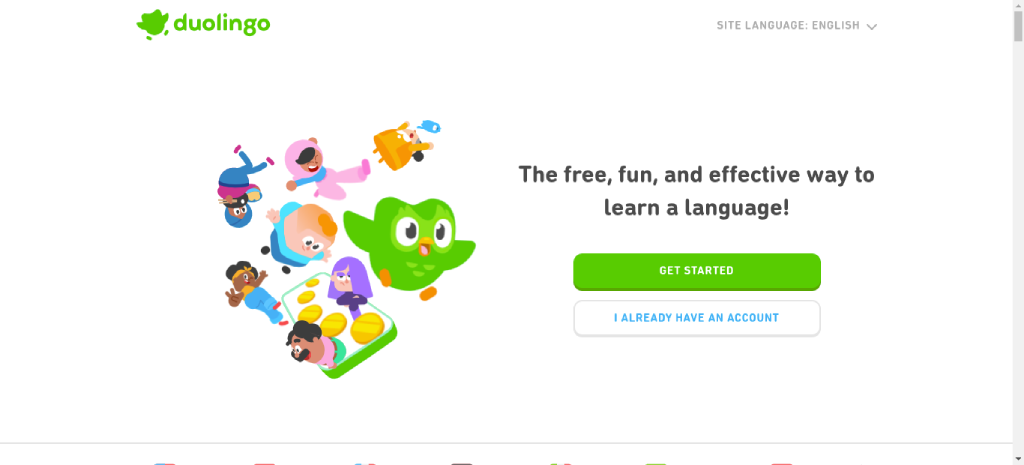
Known for its fun, game-like lessons, Duolingo uses an AI recommendation engine and speech recognition to personalize language learning.
The learning mobile app adapts exercises based on your progress and even corrects pronunciation in real time.
If you want to build a similar app but don’t know where to start, our step-by-step guide, How to Build a Language Learning Mobile App Like Duolingo and Its Cost, will help you.
2. ELSA Speak
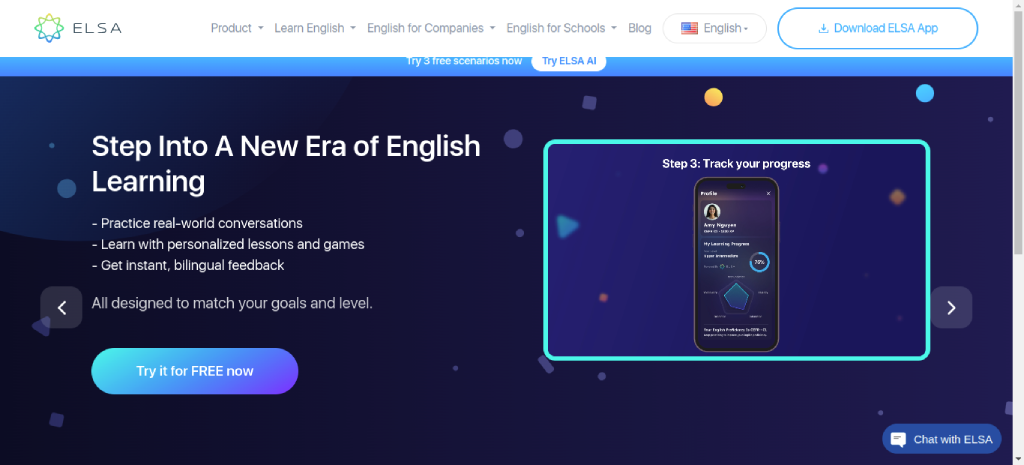
A mobile learning app with AI designed for English learners. It uses voice recognition and AI student engagement tools to help users practice speaking and improve fluency with instant feedback.
3. Coursera
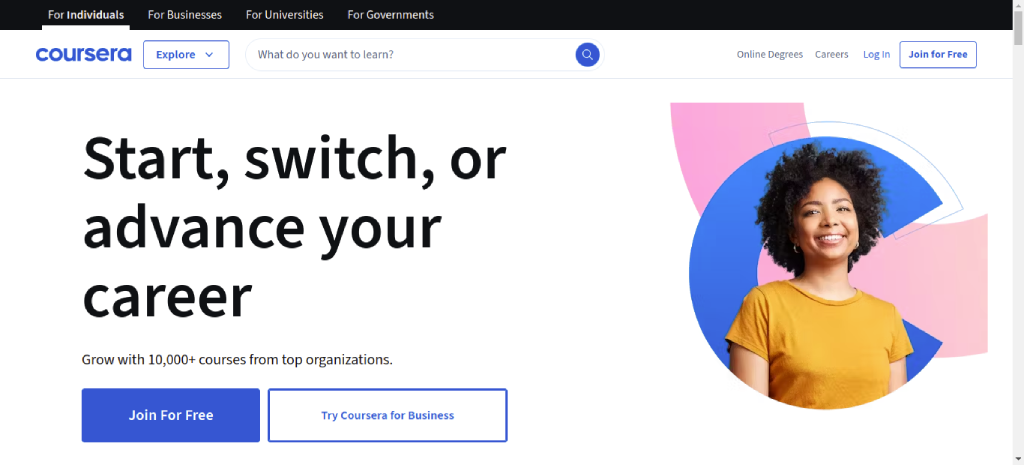
With its intelligent tutoring system app and predictive analytics, Coursera personalizes course recommendations for students worldwide.
It suggests lessons and even career-oriented programs based on a learner’s skills and goals.
Want to create something similar? Read our guide on how much it costs to build a learning app like Adda247.
4. Brainly
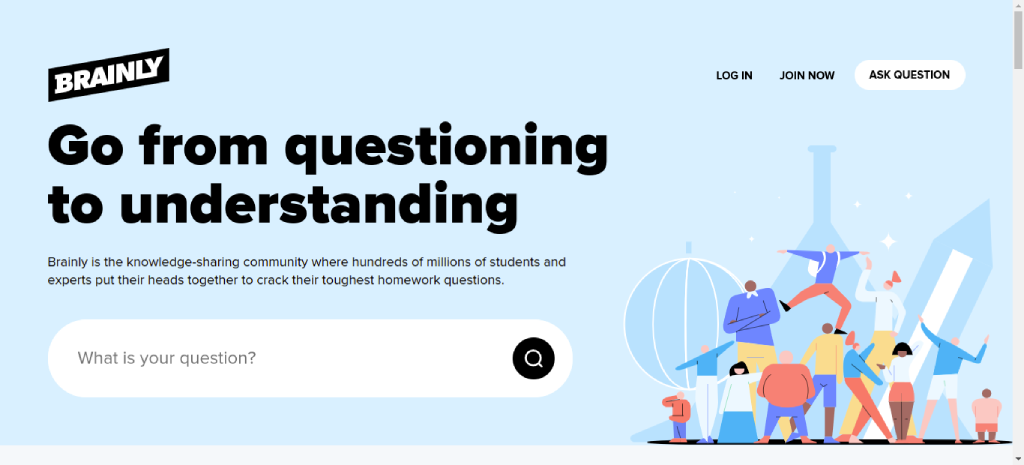
A collaborative education mobile app that uses machine learning in education apps to provide accurate answers to student questions.
Its AI filters content, highlights relevant solutions, and supports peer-to-peer learning at scale.
These personalized learning mobile apps prove that the future of AI in mobile learning is already here, offering adaptive pathways, real-time feedback, and customized learning experiences for millions of users worldwide.
Curious about knowing the cost to build a personalized learning mobile app? Here’s our detailed breakdown on how much it costs to develop an education mobile app in India.
How EdTech Companies Can Adopt AI for Learning Apps
For today’s EdTech businesses, adding AI isn’t just a “nice extra”; it’s becoming the foundation of modern learning platforms. Students expect mobile apps that are smart, adaptive, and engaging, and without AI, most learning tools fall short.
Here’s how companies can truly make AI work for them:
1. Choose the Right AI Technologies
Start with what matters most: personalization. Machine learning in education apps helps track performance, predict needs, and deliver tailored content.
Add NLP for interactive chatbots, or voice recognition for accessibility, depending on your target audience.
2. Focus on Engagement, Not Just Content
Content alone won’t keep learners motivated. A successful mobile learning app with AI includes gamification, real-time feedback, and adaptive challenges.
These features transform lessons from “boring tasks” into interactive experiences that feel fun and rewarding.
3. Use Student Data Responsibly
With student progress tracking with AI, businesses can uncover insights into how learners interact with content. But privacy is key, transparent policies and secure systems build trust while still making personalization possible.
4. Work with Skilled Developers
Building an AI-powered education app isn’t simple. It’s smart to hire dedicated developers who are experts in React Native mobile app development with AI integration experience. They can help design customized learning pathways, integrate recommendation engines, and ensure your app is scalable, secure, and future-ready.
By following these strategies, EdTech companies can create mobile apps that don’t just meet current expectations but also set the pace for the future of AI in mobile learning.
For more insights into trends and opportunities, check out our blog on How AI is reshaping the future of the education mobile app industry.
Partner with AlphaKlick for Your Learning Mobile App Development
Creating a next-gen learning mobile app isn’t just about building features; it’s about designing an experience that keeps students engaged, motivated, and supported at every step.
AlphaKlick is a trusted React Native mobile app development company in India, helping EdTech businesses create mobile apps that are scalable, engaging, and powered by AI.
We specialize in combining clean design, strong architecture, and AI-driven personalization to build mobile apps that don’t just “teach” but connect with learners.
What sets us apart is our approach; we don’t just deliver mobile apps, we co-create a product strategy with you. Our team works closely to identify your learners’ needs, weave in AI-powered engagement tools, and ensure your learning mobile app is ready to scale globally.
Ready to transform your EdTech idea into a powerful AI learning app?
Book a free consultation with AlphaKlick and let’s build the future of education together.
Frequently Asked Questions (FAQ)
Question: How does AI personalize student learning in mobile apps?
Answer: AI recommendation engines, adaptive learning mobile app features, and student progress tracking with AI allow apps to customize lessons for each learner.
Question: Is using AI in education apps cost-effective?
Answer: Yes. While initial investment may be higher, AI-powered education apps save costs long-term by automating tutoring, assessments, and engagement.
Question: Can AI replace teachers in education?
Answer: No, intelligent tutoring system apps complement teachers by providing support, but educators remain vital for mentorship and critical thinking.
Question: What are the risks of AI in student learning?
Answer: Key risks include data security issues and potential bias in machine learning in education apps, which developers must address responsibly.